Pest Control: Valuable Tactics to Preserve Your Property and Venture
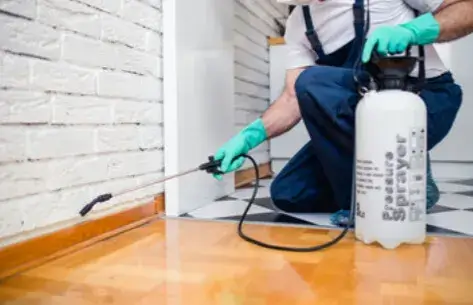
Pest Control: Results-Oriented Solutions to Protect Your Residence and Company
Opening to Pest Control
Pest Control refers to the handling or organization of species defined as pests – life forms that adversely modify personal endeavors or habitats. In New Jersey, in which multiple ecosystems join suburban and urban expansion, productive Pest Control is not merely a extravagance but a crucial element for maintaining healthy residential and occupational atmospheres. From the vast communities of Monmouth County to the cohesive residential areas of Matawan, pest outbreaks can impact anyone, irrespective of how clean or well-maintained their real estate may be.
The value of using effective Pest Control plans can't be understated. For occupants, pests can damage constructional durability, adulterate food supplies, and establish important health perils. Commercial entities face these equal challenges, with the increased anxiety of prestige harm and probable forfeit of customers if occurrences are discovered. Prevalent pests in New Jersey involve rats and mice like rats and mice, assorted arthropods such as ants, cockroaches, and bed bugs, and the especially damaging termites that can stealthily weaken a building's groundwork.
For What Reason Pest Control Is Important
Health Hazards of Pest Control Treatments
Numerous pests transport and transfer disorders that can affect people and pets. Rats and mice are acknowledged carriers of hantavirus, salmonella, and leptospirosis. Cockroaches can initiate asthma flare-ups and sensitized reactions, specifically in children. Ticks, plentiful in New Jersey's woodland locations, are infamous for spreading Lyme disease, while mosquitoes can transfer West Nile virus and Eastern Equine Encephalitis. Qualified Pest Control facilitates mitigate these health hazards by getting rid of the root of these possible disease carriers.
House Impairment in Pest Control
The foundational destruction caused by pests can be extensive and costly. Termites exclusively generate over $5 billion in property harm yearly across the United States, with New Jersey homes being particularly susceptible due to the state's atmosphere. Rodents can bite through power cords, generating fire threats, while their perpetual chewing can harm thermal barriers, pipes, and timber basic pieces. Even relatively benign ants can damage lumber structures if permitted unprocessed, notably carpenter ants which are typical in Monmouth County.
Pecuniary Implications of Pest Control Services
Dismissing pest outbreaks can result in significant fiscal outcomes. What possibly initiate as a slight outbreak calling for easy procedure can rapidly expand into a major issue requiring exhaustive remediation. For organizations, notably those in the food trade or leisure fields, pest incursions can cause inadequate health inspections, temporary shutdowns, and long-term impairment to status and client faith. Allocating resources in periodic Pest Control is not only about instant comfort—it's a long-term pecuniary protection.
Pest Control: Standard Household and Commercial Pests
Small Mammals (Rats and Mice)
When it concerns locating rodent issues in your New Jersey home, awareness is fundamental. You possibly perceive excrement near food reserves, in cabinets, or underneath sinks. Gnaw pest control NJ marks on food containers, lumber, and power wiring are indicative marks of their existence. At after dark, you may detect grating noises in walls, overhead surfaces, or underneath floors as these evening creatures transform into active. If you detect homes created from ripped stationery, material, or dehydrated plant stuff, that's a plain symptom rodents have built themselves settled. Slick rub marks beside baseboards and partitions show up as rodents practice the equivalent paths continually, while your pets may reveal abnormal deportment such as barking or digging at places under devices or fixtures where rodents seek refuge.
Small mammals in New Jersey homes and companies present various hazards surpassing basic nuisance. They can corrupt food and production planes with bacteria existing in their urine and feces. Their constant compulsion to gnaw can ruin possessions, specifically cables, which makes fire threats. In Matawan and adjacent zones, the Norway rat and house mouse are notably difficult, flourishing in both city and residential locations. Powerful Pest Control approaches are crucial to deal with these damaging infiltrators.
Bugs (Ants, Cockroaches, Bed Bugs)
Insect issues show themselves in numerous means based on the species. Ant problems evolve into visible when you see discernible ant lines leading to food provisions, or when you detect diminutive heaps of ground or wood fragments generated by carpenter ants. Cockroach incursions often exhibit themselves through dark waste similar to coffee grounds or black pepper, a special damp odor that permeates infested areas, and the appearance of egg shells in hidden corners. Bed bug troubles show up as rust-colored blotches on mattresses and belongings, shed skins near reposing zones, minute blood blemishes on sheets, and prickly red bumps on skin ordinarily aligned in a row or collection.
Insects exemplify the most multifarious type of pests in New Jersey. Cockroaches can prompt asthma and sensitivities while spreading multiple pathogens. Bed bugs, while not disease vectors, create substantial distress, sleep hindrance, and psychological misery. Specific ant kinds, like carpenter ants common in Monmouth County's wooded locations, can cause constructional injury comparable to termites during time. Qualified Pest Control agencies can determine specific insect varieties and apply directed management strategies that manage the distinctive actions and vulnerabilities of each pest.
Termites
Discovering termite behavior quickly needs comprehending the subtle signs of their being. You can observe dropped wings near apertures and access points after swarmers have discovered a mate and established a new settlement. Mud tubes on outside surfaces, lumber beams, or in crawl openings work as safeguarded highways for these devastating bugs. Wood that sounds hollow when patted suggests termites have been gorging from within. Entrances and openings that unexpectedly adhere may signal distorting from termite deterioration, while split or rising paint looking like water impairment often covers termite movement below. Finding frass—termite waste similar to minuscule wood-colored fragments—offers another verification of their uninvited presence.
Termites establish perhaps the most considerable skeletal hazard across all prevalent pests. In New Jersey, the Eastern subterranean termite is widespread and particularly damaging. These creatures can remain unsensed for spans while generating vast injury to wood foundational pieces. Homes in Matawan and across Monmouth County, specifically older structures, are vulnerable to termite incursions. The normal price of term pest control.
Pest Control Security Considerations
Proper Utilization of Pesticides and Chemicals in Pest Control
When chemicals become necessary in your pest control approach, prioritizing protection needs consideration to multiple vital methods that protect people, companions, and the ecosystem. Consistently study and comply with label guidelines accurately, as these binding directions reflect comprehensive testing and official review designed to minimize dangers. Use the smallest successful volume of chemical to reach elimination while decreasing unneeded substance incorporation into your residential area. Employ products only in locations stated on the product instructions, eliminating improper applications that may generate surprising dangers or lower performance. Use correct protective gear as specified by chemical manufacturers to prevent personal exposure during use. House products in their initial packages with directions undamaged to preserve access to protection data and stop confusion. Keep comprehensive notes of all applications, documenting chemicals applied, dilution rates, spots serviced, and dates of treatment for later consultation. Enable adequate setting and ventilation before reoccupying treated spaces, especially crucial in New Jersey's climate where dampness can influence setting periods. Consider safer substitutes when successful, as progress in pest management have produced many lower-toxicity options that maintain effectiveness while lowering likely risks.
Safeguarding Companions and Young ones During Pest Control Applications
Specific steps turn necessary when performing pest control treatments in residences with at-risk household occupants. Move companions during treatment and until spaces are dry to stop immediate exposure with damp products or fumes that could produce adverse responses. Cover or remove pet meals, drinking dishes, and playthings before service to prevent contamination that could cause unintentional eating. Keep children's items apart from treatment zones, specifically things that small kids might place in their lips. Wash and sterilize food preparation areas after application, even if they were not directly treated, to remove any residues that might have settled during treatment. Keep young ones away from applied spaces for the advised duration, lengthening this time for mobile infants who have greater close contact with floors and lower areas. Examine animal-friendly and non-toxic to children substance alternatives when accessible, as many recent products focus on specific pest anatomy while reducing mammalian poison. Most significantly, inform professional applicators about the presence of animals, young ones, or pregnant home members before they formulate application strategies, allowing them to modify methods and substance choices accordingly.
Legal Rules and Compliance with Pest Control
Pest control in New Jersey functions within a governmental structure built to safeguard public wellness and the environment while maintaining successful pest elimination. The New Jersey Department of Environmental Protection manages pest control operations, demanding qualified pest management firms to achieve particular specifications. Firms must utilize qualified professionals who have completed government assessments displaying competency in pest biology, treatment approaches, and security procedures. These companies must keep proper coverage coverage defending both their technicians and their clients from likely injury or damage related to pest elimination operations. Strict rules regulate chemical storage, movement, and elimination to avoid ecological pollution and illegal access. Specialists must provide Safety Data Sheets upon inquiry, detailing the properties and hazards of chemicals employed in applications. Notification standards relate for some uses, especially in apartment dwellings or industrial spaces with numerous inhabitants. Comprehensive treatment logs must be maintained, establishing an inspection trail of pest management procedures. Also, only chemicals licensed for utilization in New Jersey may be legally utilized, confirming that regional natural situations and environments have been considered in the authorization procedure. For commercial establishments in Matawan and throughout Monmouth County, extra guidelines may pertain relying on the business, particularly for restaurant service, healthcare, and childcare facilities where pest management overlaps with further community safety considerations.
Environmentally-Friendly Pest Control Choices
Comprehensive Pest Management (IPM) Approach
Unified Pest Control exemplifies the premium level in contemporary pest control, centering on extended avoidance through a mix of strategies that limit environmental influence while increasing success. The IPM procedure commences with detailed examination and surveillance to determine pest pressure exactly, creating foundation data about species occurring and amount sizes. This creates correct determination of pest kinds, confirming elimination efforts target specific habits and vulnerabilities rather than using universal methods. Specialists create level quantities that require response, acknowledging that the simple presence of a limited pests doesn't automatically require control if amounts remain under damaging amounts. When treatment turns essential, IPM uses multiple treatment approaches in cooperation, usually initiating with least-toxic approaches and progressing only when needed. Within the procedure, experts review success and change methods as needed, building a dynamic approach reactive to evolving environments. Most importantly, IPM emphasizes avoidance over control, handling building and ecological elements that encourage pest groups rather than simply destroying existing pests. Many pest control organizations in New Jersey deliver IPM-based solutions that align with the region's push toward reduced-risk pest control methods, notably in critical environments like schools, healthcare facilities, and nutrition preparation operations.
Natural Treatment Strategies
Successful pest control often integrates non-chemical approaches that can address or decrease pest concerns without adding pesticides into the area. Mechanical obstacles such as screens, entrance strips, and closing block pest penetration fully, addressing the trouble at its source. Direct systems like catches and barrier tools extract active creatures while stopping additional arrivals. Living systems involving beneficial bugs and bacteria bring living antagonists that focus on individual insects while preserving helpful creatures safe. Management approaches change the environment to discourage insects, such as changing watering patterns to decrease dampness that attracts certain creatures. Living space modification lowers refuge and sustenance sources, making locations minimally hospitable to troublesome guests. For particular organisms like bed bugs, heat treatments supply very effective treatment without harmful leftovers by boosting temperatures over the heat death level for all growth cycles of the target pest. Likewise, cold procedures for warehoused item insects like grain bugs or kitchen moths can eradicate issues in consumable products without chemical pollution. These techniques establish particularly valuable in New Jersey's different areas, where proximity to water bodies, conserved environmental areas, and concentrated residential zones generates various conditions where toxic decrease turns beneficial or essential.
Environmentally-Friendly Pest Control Management Options
The pest control business maintains to advance toward greater eco-conscious procedures that retain success while decreasing surrounding footprint. Organic insecticides extracted from organic compounds like pyrethrum, neem oil, and natural essences provide specific elimination with reduced persistence in the ecosystem. Biological treatments containing microbes, molds, or agents that aim at particular pest species deliver exactness that typical universal pesticides cannot compare to. Reproductive controllers that prevent pest mating by disrupting with growth stages supply long-term population reduction without direct poisonous influences on adult pests. Attractant devices that monitor or interfere with pest pairing aid determine when control grows necessary and can prevent breeding in some species. The field more and more uses minimal-impact pesticides with small natural impact, moving away from traditional compounds with more extensive consequences on beneficial life forms. Precision application equipment that lower total product usage provide services exactly where necessary rather than distributing materials across large regions. Sustainable approval programs for pest control businesses create criteria for naturally superior treatment and offer consumers with plain labeling of services pledged to green procedures. In environmentally vulnerable zones of New Jersey, encompassing portions of Monmouth County with proximity to marine sources, these environmentally-friendly strategies are notably important for safeguarding both human wellbeing and wild ecosystems while yet delivering efficient pest control.
Finding a Local Pest Control Service Provider in New Jersey
Capitol Exterminating System
272 NJ-34
Matawan, NJ 07747
(732) 441-1900
Commonly Asked Inquiries (FAQs) about Pest Control
How commonly should pest control be done?
For most New Jersey houses, quarterly pest control offers adequate protection against recurring pest pressures. This schedule corresponds with the region's unique periods, each bringing various pest issues that demand precautionary attention. Spring services commonly address appearing ant populations and surviving insects becoming energetic. Warm season applications center on mosquitoes, parasites, and numerous flying creatures that flourish in warmer weather. Autumn applications ready houses for mice and rats and hibernating insects seeking protection as temperatures decline. Cold season services maintain defense against inside insects while dealing with rodent activity at its peak. Nonetheless, this timing may grow for homes with individual threat conditions or continuing concerns that require additional comprehensive management. Residences close to tree-covered areas in Monmouth County may benefit from extra tick and flying insect treatments across peak cycles. Buildings with history of specific pest concerns regularly demand directed secondary applications over the normal seasonal schedule. Industrial establishments, specifically meal business operations in regions like Matawan, frequently call for frequent treatment to maintain compliance with wellness regulations and eliminate issues that could hurt image and trade functions.
Is qualified pest control harmless for pets?
When conducted appropriately, professional pest control can be harmless for pets through cautious substance picking and treatment procedures that decrease interaction. Contemporary focused employment approaches and minimal-impact materials have markedly enhanced security aspects compared to older pest management techniques. Recent treatments often employ compounds especially designed to have minimal harm to animals while keeping effective against designated organisms with distinct biologies. Qualified technicians obtain education in employment approaches that locate chemicals in spots companions can't reach, such as structural spaces, splits and gaps, or underneath devices. Nonetheless, animals should be taken away while performing treatment and until all treatments have solidified entirely, adhering to specific delay periods suggested by the substance producer and professional. Fish aquariums should be protected and air systems disabled during procedure to avoid exposure from airborne substances. Pet items including sleeping areas, objects, and food equipment should be moved or covered throughout procedure. Discuss any questions with your pest control provider, who can suggest suitable delay times according to the particular treatments applied and change strategies for households with notably delicate pets like birds or reptiles that may have distinct physical vulnerabilities than felines and dogs.
What are the evidence of a significant pest issue?
Apart from seen pests directly, various caution signs suggest potentially significant issues requiring quick pest control treatment. Uncommon odors commonly appear with significant infestations – damp, oily smells may reveal mice and rats, while sweet, almond-like scents occasionally accompany German insect colonies. Puzzling physical damage like sinking floors, rising finish, or crumbling lumber may indicate wood-destroying insect infestation or wood-boring ant problems ruining construction pieces. Strange disturbances within barriers or lofts, specifically at evening, regularly show rodent presence as these dark-active organisms grow energetic in unseen spaces. Excessive dust similar to tiny debris beside wood components may in fact be excrement or feces from lumber-eating organisms. Some homes have unknown wellness problems like lung difficulties or irritation that improve when gone from home, potentially showing pest infestations influencing interior atmosphere purity. In New Jersey properties, special care should be given to underground and crawlspace spaces where humidity issues can sustain pest populations, notably in aged properties throughout Monmouth County where structural cracks and failing binding create multiple access locations. Locating many lifeless pests of the matching species suggests a bigger community near, while grease signs beside floor edges reveal developed rodent routes with regular use.
Can I eliminate pests without pest control pesticides?
Indeed, numerous organisms can be avoided through correct cleaning, barrier methods, and environment adjustment without using chemical applications. The foundation of chemical-free pest control commences with comprehensive prevention work – sealing gaps, openings, and access points that permit creatures to invade buildings in the beginning location. Placing entrance seals, repairing torn mesh, and sealing utility openings eliminates common penetration locations. Eliminating feeding resources through appropriate nutrition containment in sealed packages, prompt clearing of spills and crumbs, and regular garbage removal significantly minimizes magnets that attract pests indoors. Decreasing dampness by mending leaking plumbing, enhancing airflow in damp locations, and dealing with water flow problems gets rid of the moisture sources numerous organisms demand. Keeping a distance zone around structures by reducing greenery, clearing organic waste, and keeping firewood raised and distant from buildings lowers shelter areas and entry spots. Using physical shields like copper screen or steel wool to prevent wider spaces offers permanent barrier protection for small mammals and large mice. Regular care that involves removal gaps and gaps gets rid of creature young and sustenance matter that maintain pest reproduction. For current invasions, nevertheless, some kind of elimination agent may be required to resolve developed issues, though many minimal-impact options are obtainable containing natural silica powder, boron powder, and insecticidal soaps that deliver decreased threat versus conventional products.
What should I expect throughout professional pest control procedure?
A specialist pest control treatment typically commences with a detailed assessment to determine pest species, entry places, and supporting circumstances contributing to the issue. The technician should invest effort examining both inside and outdoor spaces, directing special consideration to cooking areas, bathing facilities, lower levels, and border foundations where pest activity regularly concentrates. Following this inspection, the specialist should describe their findings in completeness and suggest a service plan designed to your particular condition, talking about both the target pests and the methods recommended for handling them. You may get setup steps before service, likely containing shifting objects, removing specific locations, or securing pets. While performing the service, the technician will administer suitable materials to designated areas according to the pest kinds identified, emphasizing on fissures, spaces, and pest shelter spaces rather than broadcasting procedures around complete areas. They may place observation equipment like pest devices or food containers that support track advancement and offer ongoing security. After ending procedures, a professional should explain any post-treatment care instructions such as air circulation standards, occupancy intervals, or locations to wash. Before exiting, they should set up additional services if necessary for especially difficult organisms like bedbugs or German roaches that usually demand several services for full destruction. During this system, technicians should encourage concerns and supply obvious information about the chemicals and procedures utilized, demonstrating their preparation and pledge to both efficiency and wellness.
Productive pest control is an important component of preserving clean, protected living and professional areas in New Jersey. From the moist warm seasons that create mosquitos and parasites to the frigid times when small mammals seek harborage indoors, pest challenges stay a year-round issue for residents and organizations in Monmouth County and Matawan. By knowing common insects, using protective actions, and knowing when to look for professional assistance, building operators can shield their assets and the wellness of tenants.
Adopting a preventive approach to pest control is invariably additional efficient and economical than addressing to established infestations. Frequent examinations, correct care, and tackling minor problems before they escalate can eliminate the major costs and disruptions associated with serious pest troubles. When qualified intervention grows needed, picking a reliable, qualified pest control company who utilizes combined pest management principles delivers efficient solutions with limited surrounding impact.